
Colder months bring holiday gatherings, crowded schedules, and a steady rise in coughs and fevers, which is why Brandi Voss of Nashville urges families to treat infection prevention as a routine part of caring for older relatives. Simple habits practiced at home can reduce the chances that a mild illness in one family member becomes a serious health concern for another.
Drawing on more than two decades in nursing, including work in infection control, Brandi Voss of Nashville focuses on prevention that families can manage on their own. None of it requires special equipment. Consistency matters far more than complexity.
Why Older Adults Face Greater Risk
Aging brings natural changes to the immune system. Older adults may respond more slowly to infections, while chronic conditions such as heart disease, diabetes, or lung disease can make recovery more difficult.
A virus that causes a few days of discomfort for a healthy teenager may lead to complications for a grandparent. Brandi Voss of Nashville stresses that this difference is the central reason household prevention matters. Protecting the most vulnerable person in a home often starts with the healthiest people in it.
Hand Hygiene Remains the First Line of Defense
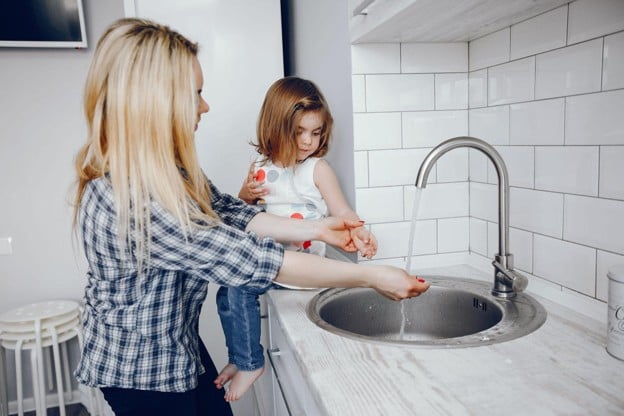
Clean hands prevent the spread of many common illnesses. Germs move easily from hands to doorknobs, phones, and shared dishes, then on to the next person who touches them. Effective hand hygiene includes several simple practices:
- Washing with soap and water for at least 20 seconds
- Cleaning hands before preparing food or eating
- Washing after coughing, sneezing, or blowing the nose
- Using an alcohol-based sanitizer when soap is not available
- Keeping sanitizer near entryways for visitors
For Brandi Voss of Nashville, teaching children these habits early benefits the entire household. Young family members who wash their hands routinely become partners in protecting grandparents rather than unintended carriers of illness.
Brandi Voss of Nashville on Cleaning High-Touch Surfaces
Some surfaces collect germs faster than others. Different people touch kitchen counters, light switches, remote controls, faucet handles, and phones many times each day.
Regular cleaning of these areas reduces the amount of viruses or bacteria lingering in the home. Brandi Voss of Nashville recommends a simple daily routine during cold and flu season, with extra attention when someone in the household is sick. Using a clean cloth with an appropriate household disinfectant, following the label directions, keeps the process quick and effective.
When Someone in the Home Gets Sick
Illness is not always avoidable. When a family member develops symptoms, a few adjustments can limit the spread to others without turning the home upside down. Practical steps include
- Keeping the sick person in a separate room when possible
- Using a separate bathroom if one is available
- Avoiding shared towels, cups, and utensils
- Improving airflow by opening a window when weather allows
- Limiting close contact with older relatives until symptoms improve
These measures are especially important in multigenerational homes, Brandi Voss of Nashville notes. Small changes during the first days of an illness can protect family members who would face a harder recovery.
Planning for Holiday Visits
Family gatherings bring people together from different households, schools, and workplaces. That mix makes the holiday season an especially important time for prevention, since a single cold can travel through several homes in a matter of days.
Hosts can set a thoughtful tone by encouraging guests who feel unwell to stay home or join by video. Placing sanitizer near the door, serving food with dedicated utensils, and allowing space for older guests to sit comfortably away from crowded areas are easy ways to reduce risk. For Brandi Voss of Nashville, these gestures show care without dampening the celebration.
Staying Current With Preventive Care
Routine medical care plays a major role in staying healthy through the winter. Older adults benefit from regular checkups that review chronic conditions, medications, and overall wellness.
Families should encourage loved ones to speak with their healthcare providers about recommended vaccines and other preventive measures before the busy season begins. Brandi Voss of Nashville emphasizes that these conversations work best when they happen early, giving everyone time to plan appointments.
Supporting Overall Wellness
A strong foundation of daily health makes it easier for the body to handle illness. Good nutrition, regular movement, adequate sleep, and hydration all support well-being at any age.
Social connection matters too. Older adults who stay engaged with family and friends often feel more motivated to care for their health. Brandi Voss of Nashville encourages families to balance caution with companionship, since isolation brings its own risks during long winter months.
Prevention as an Act of Care
Infection prevention can seem like a list of chores. In practice, it is a way of showing love for the people who matter most, especially those whose health depends on the habits of everyone around them.
Every washed hand, cleaned counter, and postponed visit during an illness keeps grandparents, parents, and neighbors safer. Brandi Voss of Nashville sees these everyday choices as the steady foundation of family health, protecting loved ones so the season can be spent together rather than in recovery.