
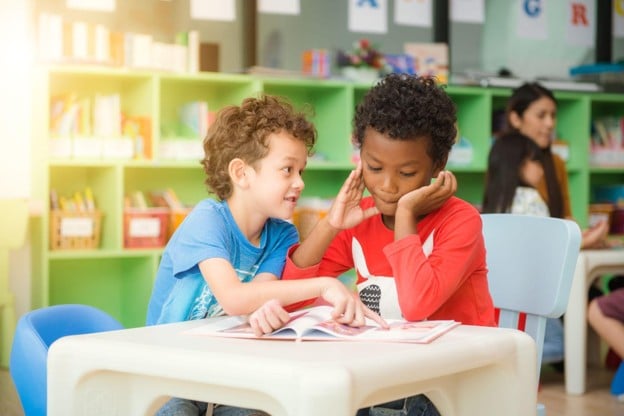
Michelle Kangas Huff believes that one of the most meaningful habits a person can build is also one of the simplest: taking joy in someone else’s good news. A promotion, a graduation, a finished race or a personal win can strengthen a relationship or quietly weaken it, depending on how the people nearby respond.
Most advice about relationships focuses on showing up during hard times. Support during a crisis matters, but research in social psychology suggests that how people react when things go right may shape their connections just as much.
Michelle Kangas Huff on Why Good News Deserves a Good Response
Sharing good news is a social act, not just an announcement. Psychologists call it capitalization: telling another person about a positive event and, in doing so, getting more out of the experience.
A widely cited 2004 study in the Journal of Personality and Social Psychology, led by researcher Shelly Gable, found that people who shared positive events with others reported higher daily well-being, beyond the boost from the event itself. The benefits grew when the listener responded with active, enthusiastic interest.
For Michelle Kangas Huff, this finding confirms something many people sense but rarely put into words. A celebration shared is larger than a celebration kept private, and the person listening plays a central role in making that happen.
The Four Ways People Respond to Good News
Researchers describe four common responses when someone shares a success:
- Active and Constructive: Warm, engaged and curious, with questions about how it happened and what it means
- Passive and Constructive: Polite but flat, such as a quick congratulations before moving on
- Active and Destructive: Pointing out the downside, such as the extra hours a new job will demand
- Passive and Destructive: Ignoring the news or changing the subject entirely
Only the first response consistently strengthens relationships. In research on couples, the way partners responded to good news was linked more closely to relationship quality than the way they responded to bad news.
Michelle Kangas Huff points out that many well-meaning people fall into the second category without noticing. A distracted reply while scrolling a phone can leave someone feeling unseen at a moment that mattered to them.
Why Celebrating Others Can Feel Difficult
If enthusiastic support is so valuable, it is fair to ask why it does not come naturally to everyone. Part of the answer lies in social comparison. People often measure their own progress against those around them, and another person’s success can trigger a quiet sense of falling behind.
Social media has amplified this pressure. Feeds filled with milestones, vacations, and achievements can turn celebration into competition, where every announcement becomes a reminder of what someone else has not done yet.
Michelle Kangas Huff sees this as one of the defining challenges of modern life. The more people compare, the harder it becomes to feel happy for others without a hint of envy or self-doubt.
Many contemplative traditions offer a different view. Buddhist teaching describes mudita, often translated as sympathetic joy, which means finding happiness in another person’s good fortune. The idea is that joy is not a limited resource. One person’s success does not reduce anyone else’s share.
Michelle Kangas Huff on Raising Kinder Communities
The habit of celebrating others is learned, and it often starts young. Children who grow up in environments that reward put-downs can carry those patterns into adulthood, while those who see peers recognized and encouraged tend to absorb a more generous outlook.
This matters most in schools, where bullying can leave lasting effects. Research on peer behavior offers a hopeful finding: in observational studies of school playgrounds, bullying often stopped within seconds when a peer stepped in. Bystanders, in other words, have a great deal of influence over the culture around them.
Michelle Kangas Huff views celebration and kindness as two sides of the same habit. A young person who learns to cheer for a classmate’s success is also learning to notice others, value their efforts, and speak up when someone is being treated unfairly. Over time, those small choices shape the kind of adults young people become.
Practical Ways to Become a Better Celebrator
Responding well to good news is a skill that improves with practice. A few simple habits can make a noticeable difference:
- Give Full Attention: Putting the phone down and making eye contact signals that the moment matters.
- Ask a Follow-Up Question: Asking how it happened or what comes next invites the person to relive the experience.
- Recognize the Effort: Acknowledging the work behind an achievement often means more than praising the result alone.
- Celebrate Small Wins too: A finished project, a personal goal or a hard week completed all deserve recognition.
- Share Good News About Others: Telling a friend about someone else’s accomplishment spreads goodwill well beyond the original conversation.
Michelle Kangas Huff believes these habits carry extra weight in families. Parents who show pride in a child’s graduation, career step or personal growth give that child the security to aim higher.
Generosity Beyond the Moment
Celebrating others connects naturally to a wider spirit of generosity. Giving time, attention or resources to people and causes beyond oneself reflects the same belief: that life feels richer when its good things are shared.
That mindset also eases the pressure of perfection. When people stop measuring themselves against everyone around them, they gain room to appreciate their own progress and the progress of others without competition getting in the way.
A Small Habit With Lasting Effects
Celebrating other people’s success rarely makes headlines, yet it quietly strengthens friendships, families and communities. Research shows that how people respond to good news matters, and the effects build over years of everyday conversations.
For Michelle Kangas Huff, the lesson is straightforward. Choosing to notice and celebrate what others achieve creates a culture where kindness grows, comparison loses some of its grip, and more people feel seen for the good they bring into the world.